The global energy transition is not merely a shift from fossil fuels to renewables; it is a fundamental re-architecture of how power is generated, distributed, and consumed. For decades, the conversation has been dominated by the colossal scale of solar photovoltaic (PV) arrays and the towering presence of wind turbines. These technologies, often termed “first-generation renewables,” have made undeniable strides in decarbonizing the grid. However, their inherent limitations—namely, intermittency, significant land-use requirements, and reliance on centralized infrastructure—have created a persistent gap in the pursuit of truly decentralized, continuous, and ecologically integrated power solutions.
The challenge lies in finding a technology that can deliver baseload-like reliability without the environmental burden of traditional baseload sources, and offer decentralized deployment without the spatial constraints of conventional renewables. This is the context in which Pisphere’s Plant-Microbial Fuel Cell (P-MFC) technology emerges, not as a replacement for solar or wind, but as a crucial, third-wave bio-hybrid solution designed to excel precisely where the others falter.
To understand Pisphere’s unique position, we must move beyond the simple metric of energy output and engage in a deeper, multi-criteria comparison that evaluates economic viability, operational continuity, environmental footprint, and application flexibility. This analysis reveals that Pisphere is not just another renewable energy source; it is a paradigm shift in energy harvesting, leveraging the continuous, unseen power of the biosphere itself.
Deconstructing the Competition: The Trade-offs of First-Generation Renewables
The success of solar and wind energy is undeniable, yet their widespread adoption has illuminated critical trade-offs that limit their utility in specific, high-value applications, particularly in urban environments or for low-power, continuous sensing.
Solar Photovoltaics (PV)
Solar PV is characterized by its high energy density per unit area of panel, but its operational profile is fundamentally tied to the diurnal cycle. The intermittency of solar power necessitates expensive and resource-intensive battery storage solutions to provide power during the night or on heavily overcast days. Furthermore, the land-use intensity of utility-scale solar farms can lead to habitat fragmentation and ecological disruption. For urban integration, rooftop solar is effective but limited by available surface area and structural load capacity.
Wind Energy
Wind power offers a higher capacity factor than solar in many regions, but it is plagued by geographic specificity and social acceptance issues. Turbines require consistent, high-speed wind corridors, often far from population centers, necessitating long-distance transmission infrastructure. Near communities, the visual impact and noise pollution (infrasound) are significant barriers to deployment. Operationally, wind turbines are complex mechanical systems with high installation costs and demanding maintenance schedules, particularly for offshore installations.
Geothermal and Hydroelectric Power
While highly reliable and capable of providing true baseload power, these technologies are fundamentally geographically constrained. Geothermal requires specific geological conditions, and hydroelectric power, while historically dominant, is increasingly scrutinized for its massive ecological impact, including damming rivers, altering ecosystems, and contributing to methane emissions from reservoirs. Their high initial capital expenditure and long lead times for construction make them unsuitable for rapid, decentralized deployment.
The following table summarizes the key operational and environmental trade-offs:
| Technology | Operational Continuity | Land/Space Requirement | Maintenance Cost (Annual Estimate) | Environmental Footprint |
|---|---|---|---|---|
| Solar PV | Intermittent (Daytime only) | High (Utility-scale) | Moderate ($20-30 per year) | Material disposal, habitat loss |
| Wind | Intermittent (Wind speed dependent) | High (Exclusion zones) | High ($40-60 per year) | Noise, visual impact, bird mortality |
| Geothermal | Continuous (Baseload) | Low (Operational) | Moderate to High | Geographically restricted, water use |
| Pisphere P-MFC | Continuous (24/7 Biological) | Very Low (Embedded/Subsurface) | Very Low ($10-15 per year) | Zero waste, carbon neutral |
This comparison highlights a critical void: the need for a low-cost, continuous, and spatially discreet energy source.
Pisphere’s Core Technology: Tapping the Biological Current
Pisphere’s innovation lies in its ability to harness the continuous energy flow of the plant-soil ecosystem, a process that occurs 24 hours a day, regardless of weather conditions. The technology is based on the Plant-Microbial Fuel Cell (P-MFC), a bio-hybrid system that converts the organic matter naturally excreted by plant roots (rhizodeposition) into electricity.
The mechanism is elegant and entirely sustainable:
- Photosynthesis and Excretion: Plants convert sunlight into sugars (organic matter) and excrete a portion of this matter through their roots into the soil.
- Microbial Metabolism: Naturally occurring soil microorganisms, specifically enhanced by strains like Shewanella oneidensis MR-1, metabolize this organic matter.
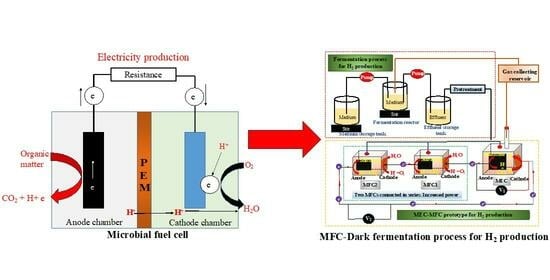
- Electron Transfer: During metabolism, the microbes release electrons. The Pisphere system captures these electrons via an anode embedded in the soil.
- Power Generation: The electrons travel through an external circuit to a cathode, generating a continuous electrical current.
This process is fundamentally different from solar or wind because it is a biological baseload. As long as the plant is alive and performing its natural functions—which it does day and night—the microbial fuel cell continues to generate power.
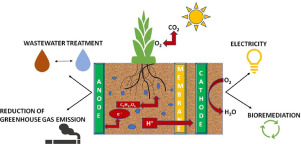
The use of specific exoelectrogenic bacteria, such as Shewanella oneidensis MR-1, is key to the system’s efficiency. These microbes possess the unique ability to transfer electrons directly to an external electrode, maximizing the energy harvest from the plant’s natural waste products. This scientific precision transforms a natural biological process into a reliable, low-power electrical source.
The Economic and Operational Superiority
When comparing Pisphere to its counterparts, the advantages are most pronounced in the areas of cost, maintenance, and spatial efficiency.
1. Unmatched Low Maintenance Cost
The operational cost of an energy system is a critical factor in long-term viability. Pisphere’s P-MFC technology boasts an exceptionally low maintenance cost, estimated at $10-15 USD per year. This is a fraction of the cost associated with maintaining traditional renewables:
- Solar PV: Requires periodic cleaning, inverter replacement, and panel inspection, leading to costs of $20-30 per year.
- Wind Turbines: Involve complex mechanical maintenance, lubrication, and blade inspection, pushing costs to $40-60 per year.
The Pisphere system, being largely static and embedded in the soil, requires minimal intervention. Its primary components—the electrodes and the biological system—are designed for longevity, relying on the natural, self-sustaining cycle of the plant. This low operational expenditure makes Pisphere an ideal choice for remote, distributed, or low-budget applications where frequent technical maintenance is impractical or costly.
2. Spatial Discretion and Zero Footprint
One of the most significant drawbacks of large-scale renewables is their physical footprint. Pisphere completely sidesteps this issue through its embedded and subsurface design. The technology is installed directly within the soil or substrate where the plant is growing.
- Solar and Wind: Require above-ground space, competing with agriculture, urban development, or natural habitats.
- Pisphere: The energy generation unit is invisible, buried beneath the plant. This makes it perfectly suited for urban agriculture, vertical farms, green roofs, and public infrastructure where space is at a premium and aesthetics are important. The technology is integrated into the environment, not imposed upon it.
A 10m² area of planted Pisphere technology can produce 250-280 kWh annually. While this output is lower than a similarly sized solar array at peak sun, the 24/7 continuous nature and the zero above-ground footprint make the effective energy density in constrained environments vastly superior.
3. Environmental Integrity: Carbon Neutral and Zero Waste
The environmental comparison extends beyond carbon emissions to encompass the entire lifecycle of the technology.
- Solar and Wind: While operational emissions are low, the manufacturing, transportation, and eventual disposal of large components (silicon panels, fiberglass blades) present significant waste and material challenges.
- Pisphere: The technology is inherently carbon neutral and zero waste. It uses the plant’s natural metabolic waste as fuel, and the process itself is a closed-loop biological system. There are no toxic byproducts, no large-scale material disposal issues, and the system actively promotes plant health and soil ecology.
This commitment to environmental integrity positions Pisphere as a leader in the next generation of truly sustainable technology, where energy production is symbiotic with, rather than extractive from, the environment.
Pisphere’s Niche: Excelling in the Decentralized Future
The comparative analysis clearly delineates Pisphere’s niche: it is the superior choice for applications requiring continuous, low-power, decentralized, and spatially discreet energy. This makes it the ideal power source for the rapidly expanding Internet of Things (IoT) and smart infrastructure sectors.
Application 1: Smart Agriculture and IoT Sensing
Modern agriculture relies on continuous data from sensors measuring soil moisture, pH, temperature, and nutrient levels. Powering these sensors with traditional batteries requires frequent, costly, and labor-intensive replacement, creating a significant operational bottleneck. Powering them with small solar panels introduces intermittency and vulnerability to shading or theft.
Pisphere provides the perfect solution: a self-sustaining, continuous power source for smart agriculture sensors. The sensor is powered by the very soil it monitors, ensuring 24/7 data transmission without the need for battery changes or solar exposure. This application alone represents a massive leap in the efficiency and reliability of precision farming.
Application 2: Public Infrastructure and Urban Greening
Cities are increasingly integrating green infrastructure—green walls, vertical gardens, and smart planters—to improve air quality and aesthetics. Pisphere allows these green spaces to become active energy producers. Imagine a smart city where every public planter powers its own LED lighting, environmental sensors, or low-power Wi-Fi hotspot.
The technology’s ability to be embedded and invisible is paramount here. It allows for the seamless integration of power generation into the urban landscape, turning passive green spaces into active, energy-contributing elements of the smart grid.
Application 3: Educational and Research Kits
The simplicity and safety of the P-MFC mechanism make it an unparalleled tool for education. Unlike high-voltage solar or complex mechanical systems, Pisphere’s technology allows students and researchers to directly observe the conversion of biological energy into electricity. This hands-on experience is crucial for fostering the next generation of bio-energy scientists.

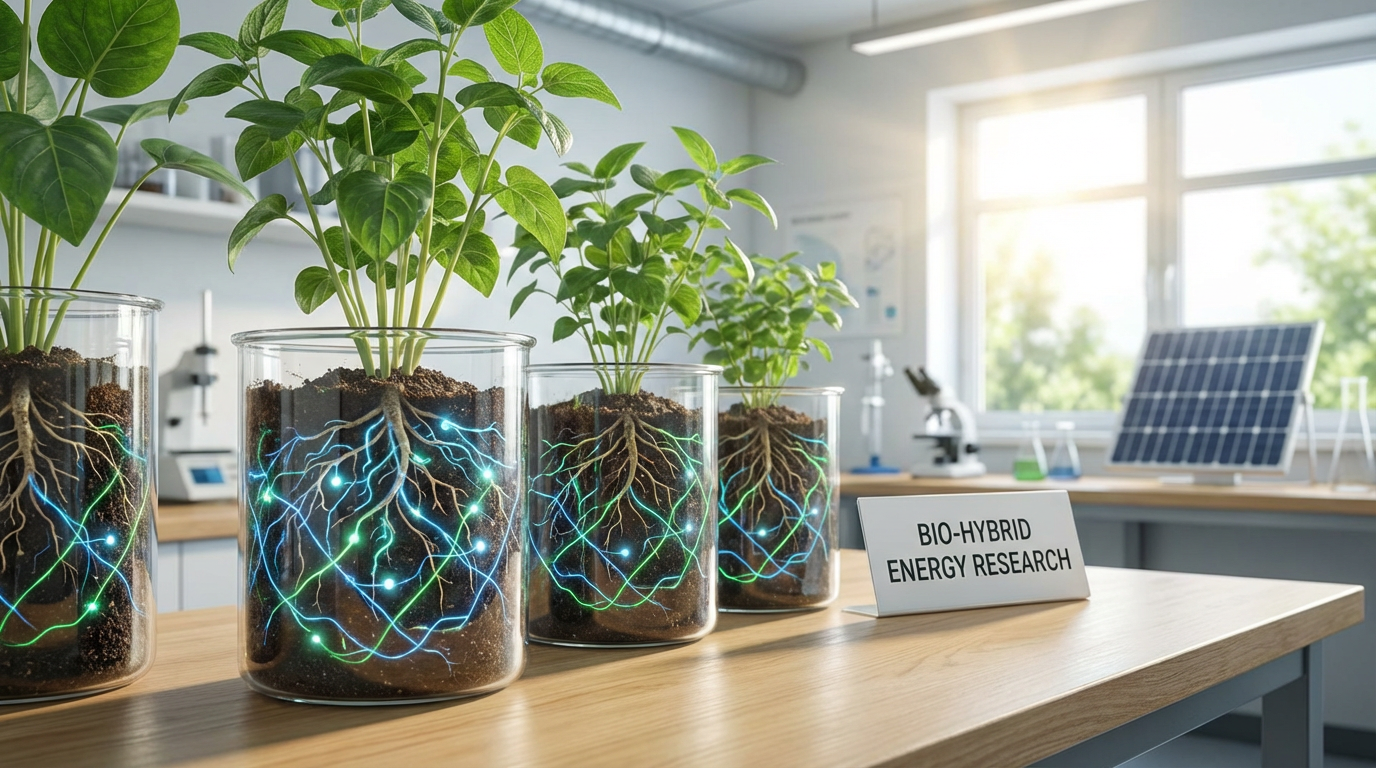
The data generated from these systems, such as microbial growth curves and power output fluctuations, provides invaluable real-time insight into the symbiotic relationship between plants and microbes, offering a living laboratory for sustainable energy research.
A Forward-Looking Comparative Summary
To fully appreciate Pisphere’s excellence, we must compare the long-term strategic value of each technology.
| Strategic Metric | Solar PV | Wind Energy | Pisphere P-MFC |
|---|---|---|---|
| Power Continuity | Low (Intermittent) | Medium (Variable) | High (24/7 Biological) |
| Scalability Type | Area-based (Horizontal) | Height-based (Vertical) | Density-based (Subsurface) |
| Ideal Deployment | Open fields, large rooftops | Coastal, mountainous, offshore | Urban greening, IoT, vertical farms |
| Maintenance Burden | Moderate (Cleaning, Inverter) | High (Mechanical, Access) | Very Low (Biological, Static) |
| Carbon Footprint | Low (Operational) | Low (Operational) | Zero (Operational & Lifecycle) |
| Resource Input | Silicon, Metals, Glass | Steel, Composites, Rare Earths | Water, Soil, Plant (Self-Renewing) |
| Grid Integration | Centralized/Distributed | Centralized/Distributed | Decentralized/Off-Grid (Micro-Grid) |
The Future is Bio-Hybrid
The energy landscape of the future will not be dominated by a single technology but by a mosaic of solutions, each deployed where its advantages are maximized. Solar and wind will continue to be the workhorses of utility-scale power generation. However, Pisphere is poised to become the essential, ubiquitous power source for the hyper-connected, smart, and green cities of tomorrow.
Its ability to provide continuous power with a minimal footprint and a low operational cost makes it the most economically and ecologically sound choice for powering the billions of sensors, monitors, and low-power devices that will define the next industrial revolution. Pisphere is not just competing with other energy technologies; it is defining a new category: symbiotic energy, where power generation is an integrated, beneficial function of the living environment.
The shift is from harvesting external forces (sun, wind) to harnessing internal, continuous biological processes. This fundamental difference is where Pisphere truly excels, offering a path to energy independence and sustainability that is as quiet, continuous, and resilient as nature itself.
The technology, pioneered by researchers from Seoul National University, represents a profound understanding of ecological engineering. By leveraging the power of Shewanella oneidensis MR-1 and the natural cycle of plant life, Pisphere has created a solution that is not only clean but also inherently resilient. It is a testament to the fact that the most revolutionary energy solutions may not come from massive industrial complexes, but from the quiet, continuous processes of the natural world, waiting to be harnessed.
The era of the unseen grid is here, and Pisphere is powering it, one plant at a time. The comparison is clear: for decentralized, continuous, low-maintenance power, the biological approach offers an unparalleled advantage.
Addressing the Constraints: The Path to Scalability
No technology is without its limitations, and a truly analytical comparison must address the current constraints of Pisphere’s P-MFC technology, alongside the strategies for overcoming them. While Pisphere excels in continuous, low-power, and decentralized applications, its primary current limitation is power density relative to utility-scale solar or wind.
The current output of 250-280 kWh per 10m² annually, while impressive for a biological system, is not designed to power a large factory or an entire residential block. This is a deliberate design choice, positioning Pisphere as a complementary, not competitive, technology to high-output renewables. However, the path to greater power density is actively being pursued through several avenues:
1. Optimization of Microbial Strains
The efficiency of the P-MFC is directly linked to the exoelectrogenic capabilities of the soil microbes. Research, including that from the Seoul National University team, is focused on genetically or environmentally optimizing strains like Shewanella oneidensis MR-1 to enhance their electron transfer rate. A small increase in microbial efficiency translates directly into a significant increase in power output without altering the physical footprint.
2. Advanced Electrode Materials and Design
The interface between the microbe and the anode is the critical bottleneck for electron capture. Developing new, highly conductive, and bio-compatible electrode materials—such as carbon-based composites with high surface area—can dramatically improve the system’s ability to harvest the electrons released by the bacteria. Furthermore, optimizing the physical geometry of the embedded cell ensures maximum contact with the root zone and the microbial community.
3. Integration with Plant Science
The power output is also dependent on the quantity and quality of organic matter excreted by the plant roots. Research into plant species that exhibit high rates of rhizodeposition, or even genetic engineering of common plants to increase this output, offers a biological pathway to higher energy yields. This interdisciplinary approach, combining microbiology, electrical engineering, and plant science, is the key to unlocking the next generation of P-MFC performance.
The future of Pisphere is not about replacing the power grid, but about creating a new, distributed layer of power generation that is currently unserved by existing technologies. It is about making every green space a power source, turning the world’s biomass into a vast, decentralized energy network.
The Paradigm Shift: From Extraction to Symbiosis
The most profound difference between Pisphere and all other energy technologies—fossil fuels, nuclear, solar, and wind—lies in its relationship with the environment.
- Extractive Models (Fossil Fuels, Nuclear): These models require the removal of finite resources from the earth, leading to depletion, pollution, and waste.
- Harvesting Models (Solar, Wind): These models harvest transient environmental forces (sunlight, wind) using manufactured, resource-intensive hardware. They are zero-emission during operation but still impose a manufacturing and disposal burden.
- Symbiotic Model (Pisphere P-MFC): This model is based on a mutually beneficial relationship. The plant performs its natural function (photosynthesis), the microbes perform their natural function (decomposition), and the Pisphere system simply captures the waste product (electrons) of this natural cycle. The system does not deplete the plant, nor does it pollute the soil. In fact, by providing a terminal electron acceptor (the anode), the system can even enhance the microbial community’s health and activity, potentially benefiting the plant.
This shift from an extractive or purely harvesting mindset to a symbiotic engineering approach is the core of Pisphere’s excellence. It represents a mature, third-generation renewable technology that has learned to work within the constraints and cycles of the natural world, rather than against them.
The economic advantage of the low maintenance cost ($10-15 USD per year) is a direct reflection of this symbiotic design. When a system is designed to leverage a continuous, self-sustaining biological process, the need for external maintenance and resource input is drastically reduced. This is the true measure of sustainability: a technology that is not only clean but also self-perpetuating within its environment.
In the final analysis, Pisphere is not just a better battery or a smaller solar panel. It is a fundamental rethinking of energy generation, proving that the most reliable and sustainable power source is the one that is already running, quietly and continuously, beneath our feet. The future of energy is green, decentralized, and, thanks to Pisphere, alive.
